Workplace safety training combines practical skills with regulatory compliance. For workers in healthcare, construction, and industrial settings, two types of training often go hand in hand: N95 mask fit testing and Basic Life Support (BLS) certification. Understanding how these certifications work, why they matter, and how to prepare for them can help individuals and employers meet Occupational Health and Safety Act (OHSA) requirements and respond effectively in emergencies.
Understanding N95 Mask Fit Testing
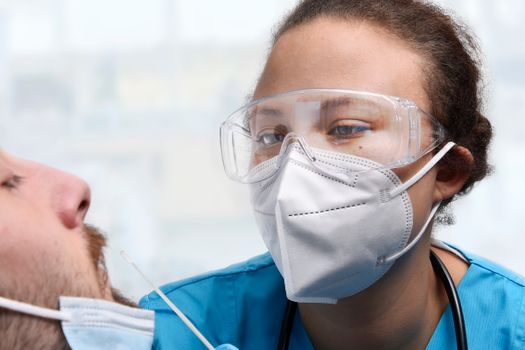
N95 respirators are designed to create a tight seal around the face to filter airborne particles. But a respirator only protects you if it fits properly. Mask fit testing, also known as respirator fit testing, determines whether a particular model and size of N95 mask forms an effective seal on your face. Without a proper fit, contaminated air can leak around the edges, defeating the purpose of the respirator.
Qualitative fit testing (QLFT) is a common method used in many training centres. It relies on the wearer’s sense of taste or smell to detect leaks. The test is pass or fail. In Canada, qualitative fit testing is aligned with the CSA Z94.4 standard, which governs the selection, use, and care of respirators. Third-party guidance, such as recommendations from 3M, also informs testing procedures. After a successful test, you receive a same-day certificate that confirms your mask fit for that specific respirator model.
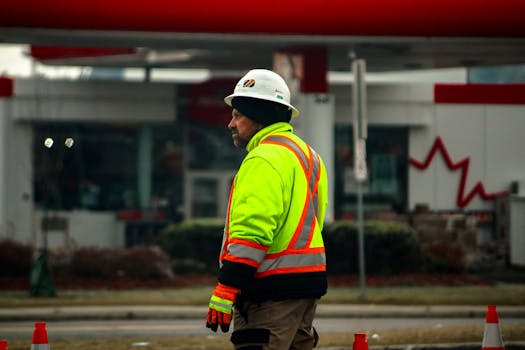
Mask fit testing is required for healthcare workers, construction tradespeople, and industrial employees who must wear respirators as part of their job. Ontario’s OHSA regulations mandate that employers ensure any required respiratory protective equipment is properly fitted.
The Role of Basic Life Support (BLS) Certification
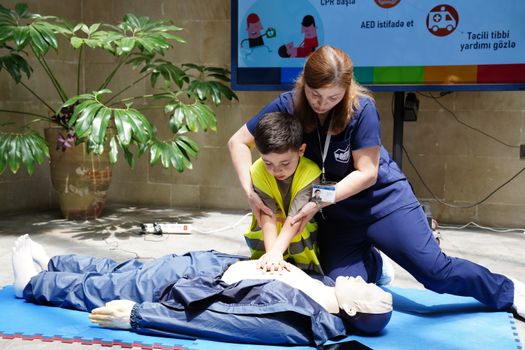
Basic Life Support (BLS) certification is a higher-level CPR and AED credential designed for healthcare providers and first responders. The BLS Provider course, offered by the Heart and Stroke Foundation of Canada, is a complete in-person experience. Learners participate in lectures, watch video segments, practice skills, and receive coaching throughout the session. The curriculum covers one- and two-rescuer CPR, use of a bag-mask device, automated external defibrillator (AED) operation, and team dynamics during resuscitation.
BLS differs from standard CPR-C courses because it places greater emphasis on advanced airway management and team-based rescue scenarios. Many healthcare facilities, dental offices, and paramedical services require their staff to hold a current BLS certification. The certification is typically valid for one year, after which recertification is needed.
How Mask Fit Testing and BLS Work Together
Workers in healthcare and emergency response often need both mask fit testing and BLS certification. A nurse who performs resuscitation with a bag-mask device on a patient with a suspected airborne infection must wear a fitted N95 respirator. At the same time, that nurse needs BLS training to manage cardiac arrest effectively. The two certifications complement each other: mask fit testing ensures personal respiratory protection, while BLS equips the rescuer to act confidently during a life-threatening event.
Some training providers offer combined sessions so that participants can complete BLS certification and mask fit testing on the same day. This bundled approach saves time and reduces the number of trips to a training centre. Blended learning options also exist for BLS, where online theory is completed before attending a shortened in-person skills session. Similarly, mask fit testing can sometimes be booked alongside first aid and CPR courses, creating a one-stop solution for workplace compliance.
Preparing for Your Mask Fit Test
To ensure accurate test results, you must follow specific preparation guidelines before a qualitative fit test. The test relies on your ability to taste or smell a test agent, such as a bitter or sweet aerosol. If your senses are dulled by food, drink, smoke, or gum, the test may be invalid.
For at least 15 minutes before the test, you must not smoke, eat, chew gum, or drink any liquids except plain water. This window allows your taste buds and nasal passages to return to a neutral state. You should also arrive clean-shaven in the area where the respirator seals against your skin. Facial hair can interfere with the seal and cause a failure. If you have a beard or significant stubble, discuss alternatives with your training provider, such as a powered air-purifying respirator (PAPR) that does not require a face seal.
Choosing the Right Training Provider
When selecting a training provider for mask fit testing and BLS certification, look for organizations that use recognized standards and certified partners. Many providers work with WSIB-approved partners to deliver programming. The Heart and Stroke Foundation of Canada is the authoritative body for BLS training in Canada, so courses offered under its curriculum are widely accepted by employers and regulatory bodies.
For mask fit testing, confirm that the provider follows CSA Z94.4 guidelines and can issue a same-day certificate. The test should be administered by a competent person trained in qualitative fit testing procedures. Providers that offer both services under one roof simplify compliance for employees and employers alike.
Training centres in Ontario, including those in Mississauga, Hamilton, and St. Catharines, offer flexible scheduling. In-class and blended learning formats are available for first aid, CPR, and BLS courses. Mask fit testing is often offered daily, with registration available online.
Frequently Asked Questions
Is mask fit testing mandatory in Ontario?
Yes, under the Occupational Health and Safety Act, employers must ensure that any worker required to wear a respirator is properly fitted. Mask fit testing is a legal requirement for healthcare, construction, and industrial workers who use N95 or other tight-fitting respirators. The test must be repeated whenever the respirator model changes or if the worker’s facial characteristics change significantly.
Do I need first aid certification if I already have BLS?
BLS certification focuses on CPR, AED, and airway management for healthcare providers. It does not cover first aid topics such as wound care, burns, fractures, or spinal management. Many workplaces require both a valid first aid certificate (Standard or Emergency First Aid) and BLS. Check with your employer or regulatory college to confirm which credentials you need.
How often must I be retested for my N95 mask fit?
There is no single expiry date for mask fit testing under CSA Z94.4. The standard recommends that fit testing be repeated at least every two years, or whenever a different respirator model is selected. Additionally, retesting is required if the user gains or loses significant weight, has facial surgery, or develops any condition that changes facial structure.
Can I eat or drink before a mask fit test?
You should avoid eating, chewing gum, drinking anything other than water, and smoking for at least 15 minutes before the test. These activities can alter your sense of taste or smell and compromise the accuracy of a qualitative fit test. Water is permitted up until the test begins, but all other substances must be avoided.
Mask fit testing and BLS certification are both essential components of workplace safety for many professionals in Ontario. By understanding the requirements, preparing adequately, and choosing a reputable training provider, you can ensure that you meet regulatory standards and are ready to respond to emergencies with confidence.
