For anyone working on Canadian waters, holding a valid marine first aid certificate is not just a safety measure it is a regulatory requirement. Transport Canada sets the training standards for marine first aid and marine medical care, and those standards are met by recognized courses such as the Canadian Red Cross Marine Basic First Aid program. In the St. Catharines area, this certification is available through Aspire First Aid Guide Training (fagt.ca) at 70 St David St E in nearby Thorold. The course is Red Cross certified, WSIB approved, and Transport Canada recognized, making it a convenient choice for local mariners, fishing guides, and recreational boaters.
Why Marine First Aid Certification Matters
Canadian marine regulations require vessel operators and crew members to have appropriate first aid training based on the type of vessel and its distance from shore. A Transport Canada-issued certificate for marine first aid is valid for five years, and the Canadian Red Cross Marine Basic First Aid course fulfills the requirements outlined in Transport Canada Transport Publication (TP) 13008 E. This means that completing a recognized marine first aid course not only prepares you for emergencies on the water but also keeps you compliant with federal regulations. Annual retraining in CPR is recommended to maintain your skills between certificate renewals.
The course is designed specifically for the marine environment. You learn how to manage medical emergencies when professional help may be hours away, how to treat injuries common on vessels, and how to perform CPR and use an automated external defibrillator (AED) in a confined or moving setting. These skills are critical for anyone who spends time on the Great Lakes, the Welland Canal, or any other Canadian waterway.
Red Cross Marine Basic First Aid Course Overview
The Canadian Red Cross Marine Basic First Aid course is the primary option available in the St. Catharines region through Aspire First Aid Guide Training. It covers all the content of Standard First Aid plus marine-specific topics. Participants must be at least 16 years old to enrol. The course includes CPR Level C with AED, which covers adult, child, and infant resuscitation.
Course Format and Duration
You have two ways to complete the Red Cross Marine Basic First Aid course. The blended learning format combines 8 hours of online theory with 8 hours of in-class, hands-on skills practice. Alternatively, you can take the full 16 hours in a classroom setting. The blended option is popular because it allows you to work through the theoretical material at your own pace before attending a single-day in-class session at the training centre in Thorold. Upon completion of the in-class portion, you receive a same-day digital Canadian Red Cross certificate.
Certification and Validity
It is important to understand the certification timeline. The Canadian Red Cross Marine Basic First Aid certificate is valid for three years. However, because the course meets Transport Canada standards, you also receive a Transport Canada certification that is valid for five years. This means your Red Cross card may need renewal sooner, but your Transport Canada compliance lasts the full five-year period. Note that recertification of Marine Basic First Aid is not permitted under federal regulations. You must retake the full course after your certification expires. There is no shorter recertification pathway.
Where to Take Marine First Aid in St. Catharines
Aspire First Aid Guide Training is the confirmed local provider of Red Cross Marine Basic First Aid in the St. Catharines area. Their training facility is located at 70 St David St E, Thorold, ON, just a short drive from downtown St. Catharines. The course uses the blended format described above: you complete the online portion at home or on the go, then attend one in-class skills day. The in-class session covers practical scenarios such as managing hypothermia, treating head and spinal injuries on a vessel, and using an AED in a marine setting. All equipment is provided, and you leave with your digital certificate the same day.
What to Expect from the In-Class Session
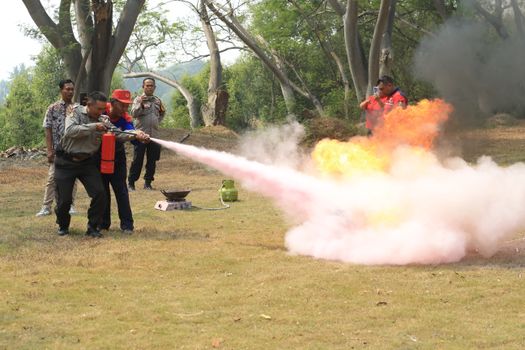
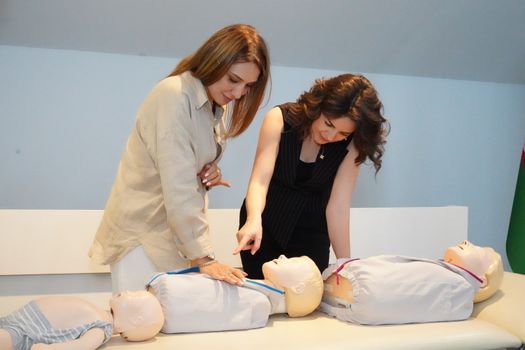
The in-class day lasts approximately 8 hours and focuses on hands-on practice. You work with mannequins, bandages, splints, and AED trainers. Instructors are Canadian Red Cross certified and experienced in marine first aid training. The small class size allows for individual attention and plenty of time to ask questions. Because the online theory is completed beforehand, the in-class time is dedicated entirely to skill development and scenario-based learning. This format is efficient for busy workers and students alike.
Comparing Marine First Aid Providers
| Provider | Course Name | Duration | Validity (Red Cross) | Transport Canada Validity | Recertification Policy |
|---|---|---|---|---|---|
| Canadian Red Cross (via fagt.ca) | Marine Basic First Aid | 8h online + 8h in-class, or 16h in-class | 3 years | 5 years | Full course retake required; no recertification |
| St. John Ambulance | Marine Basic First Aid | 2 days (16h) in-class | Not applicable | 5 years | Annual CPR retraining recommended |
Both providers meet Transport Canada standards, but the Canadian Red Cross option available locally offers the flexibility of blended learning. St. John Ambulance courses are not confirmed for the St. Catharines area, so the Red Cross route through Aspire First Aid Guide Training is the most accessible choice for local residents.
Frequently Asked Questions
How long is marine first aid certification valid?
The Canadian Red Cross Marine Basic First Aid certificate is valid for three years. However, Transport Canada certification, which is issued alongside the Red Cross card, is valid for five years. You are compliant with federal regulations for the full five-year period, but your Red Cross card will expire sooner. It is wise to retake the full course every three years to keep your skills fresh.
Can I recertify my marine first aid?
No. Under federal regulations, recertification of Marine Basic First Aid is not permitted. You must retake the entire 16-hour course after your certificate expires. There is no shortened renewal course. This rule applies to Red Cross Marine Basic First Aid specifically; standard first aid courses have recertification options, but marine first aid does not.
What is included in the marine first aid course?
The Red Cross Marine Basic First Aid course includes all content from Standard First Aid plus marine-specific modules. You learn CPR Level C (adult, child, infant) and AED use, as well as how to manage medical emergencies in a marine environment, hypothermia, near drowning, head and spinal injuries, and evacuation considerations. The course is 16 hours total, either blended or fully in-class.
Do I need marine first aid for Transport Canada?
Yes, if you work on a vessel covered by Transport Canada regulations, you are required to hold a recognized marine first aid certificate. The Red Cross Marine Basic First Aid course meets the requirements of Transport Publication TP 13008 E. Always check with Transport Canada or your employer to confirm the specific training level needed for your vessel and operating area.
For anyone in the St. Catharines region seeking a marine first aid course that is Red Cross certified, WSIB approved, and Transport Canada recognized, Aspire First Aid Guide Training at 70 St David St E in Thorold offers a practical blended learning option. The same-day digital certificate and inclusion of CPR Level C with AED make it a comprehensive choice for mariners, fishing guides, and recreational boaters who need to meet federal training standards. Contact the training centre directly for current course dates and to confirm exact pricing, as rates are not published online.
