Becoming a first responder in Ontario requires a clear understanding of the training options available, the certification standards you must meet, and the career or volunteer roles those credentials support. Whether you are aiming for a professional paramedic career or seeking advanced life-saving skills for workplace or community response, the path starts with choosing the right course. Ontario offers several levels of training, from the foundational Canadian Red Cross First Responder course to the more intensive Emergency Medical Responder (EMR) program and the St. John Ambulance Medical First Responder course. This guide outlines each step so you can make an informed decision.
What Is a First Responder in Ontario?
The term first responder can mean different things depending on the context. In Ontario, professional paramedics and emergency medical technicians are considered first responders, but the title also applies to trained volunteers, security personnel, firefighters, police officers, and anyone who holds a valid advanced first aid certification. For most people entering the field, the first step is earning a recognized credential like the Canadian Red Cross First Responder certification. This certification is not the same as being a licensed paramedic, but it provides the essential knowledge and skills to act confidently during medical emergencies until advanced care arrives.
Step 1: Choose the Right First Responder Course
Several training providers across Ontario offer first responder courses. The options vary in length, depth, and prerequisites. Below are the main courses you should consider, based on your goals.
Canadian Red Cross First Responder Course
This is the most common entry-level first responder certification for non-healthcare professionals. The course is 40 hours long and has no prerequisites, making it accessible to anyone who wants to learn advanced first aid, oxygen administration, and spinal injury management. To successfully complete the course, you need 100% attendance, a minimum score of 75% on the written test, and successful demonstration of all skills along with two simulated scenarios. The certification is valid for three years. Recertification requires a 20-hour course.
Emergency Medical Responder (EMR) Course
The Canadian Red Cross Emergency Medical Responder course is a higher-level program that requires prior certification in Standard First Aid with CPR. It runs between 80 and 120 hours and includes more advanced medical interventions, such as patient assessment, airway management, and administration of certain medications. The EMR certification is often a prerequisite for professional paramedic programs in Ontario.
St. John Ambulance Medical First Responder
St. John Ambulance offers a Medical First Responder course designed for community responders who need skills beyond those covered in Standard First Aid. This course is ideal for volunteers at public events, sports teams, and remote worksites. Content includes patient assessment, bleeding control, splinting, and using a bag-valve-mask. Check local St. John Ambulance branches for Ontario availability.
Step 2: Understand the Prerequisites
The Canadian Red Cross First Responder course has no prerequisites, so you can enrol directly without holding any previous first aid certification. The EMR course, however, requires a valid Standard First Aid with CPR certificate. If you are starting from scratch, the First Responder course is your logical entry point. After completing it, you can progress to EMR if you decide to pursue a professional paramedic career.
For those interested in employment as a first responder in Ontario, Job Bank Canada states that you need to complete a one- to three-year college, hospital-based, or other recognized paramedical or emergency medical technology program. This means the Red Cross First Responder course alone is not sufficient for paid positions on an ambulance. It is, however, widely accepted for volunteer roles, security positions, and as a strong foundation for further study.
Step 3: Learn What the Course Covers
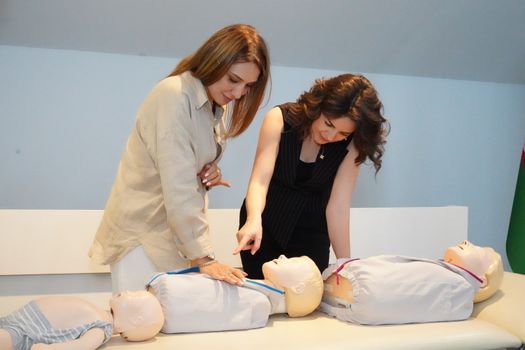
During the 40-hour Canadian Red Cross First Responder course, you will practise skills in a hands-on environment with an instructor. The curriculum typically includes:
- Comprehensive patient assessment (primary and secondary surveys)
- Cardiopulmonary resuscitation (CPR) and automated external defibrillator (AED) use
- Airway management and oxygen therapy
- Bleeding control and shock management
- Spinal immobilization techniques
- Medical emergencies (heart attack, stroke, diabetes, seizures)
- Trauma injuries (fractures, burns, head and spinal injuries)
- Environmental emergencies (hypothermia, heat stroke, poisoning)
- Two complete emergency scenarios to evaluate your decision-making and skills
All training providers must follow the Canadian Red Cross standards. Employers and organizations recognize this certification across Canada, and it meets or exceeds many regulatory workplace requirements.
Step 4: Certification and Renewal
After passing all components of the First Responder course, you receive a Canadian Red Cross certification that is valid for three years. Your certificate will be issued within a few weeks of course completion. To recertify, you must attend a 20-hour recertification course before your current certificate expires. This renewal course covers any updates to protocols and allows you to practise and reassess your skills. If your certification has lapsed, you must retake the full 40-hour course.
For professional paramedic levels (EMR or higher), recertification timelines are different and often include annual skills reviews and licensing requirements set by the Ministry of Health or the College of Paramedics of Ontario.
Step 5: Employment and Career Pathways
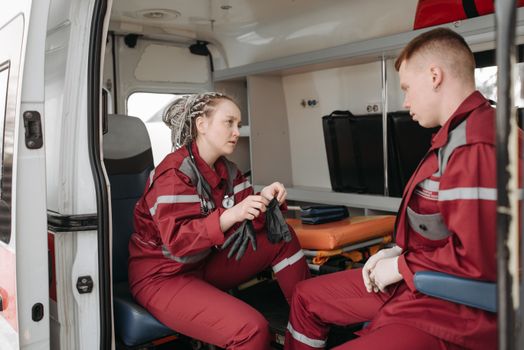
Completing the Canadian Red Cross First Responder course is an excellent first step, but it does not automatically qualify you to work as a paid paramedic in Ontario. As noted, Job Bank Canada requires completion of a recognized college or hospital-based program that lasts one to three years. Many community colleges across Ontario offer Paramedic programs that include the EMR, Primary Care Paramedic (PCP), and Advanced Care Paramedic (ACP) levels. After graduating from a PCP program, you must pass the Advanced Emergency Medical Care Assistant (AEMCA) exam and register with the College of Paramedics to work in Ontario.
Volunteer first responder roles are more accessible. Organizations such as St. John Ambulance, the Canadian Ski Patrol, and many community emergency response teams accept the Red Cross First Responder certification. Security companies, industrial sites, and remote work camps also hire first responders with this credential.
Cost of Training in Ontario
Prices for the Canadian Red Cross First Responder course vary by provider. The table below shows two known rates for classroom-based training in the Greater Toronto Area. Always confirm current pricing directly with the training centre.
| Training Provider | Location | Price (plus tax) |
|---|---|---|
| Fast Rescue | Toronto | $575 |
| ProSafe Training | Toronto | $725 |
Some providers offer blended learning options where you complete theory online and attend a shorter in-person session for skills practice. This can reduce the total cost and time away from work. Contact your preferred training centre for details on scheduling and payment options.
Choosing a Training Provider in Ontario
When selecting a course, look for a provider that is authorized by the Canadian Red Cross. Certification from any authorized provider is equally valid, but quality of instruction can vary. Consider class size, instructor experience, and whether the location is convenient for you. Blended courses that combine online theory with in-class practice are popular because they allow flexibility while still meeting the mandatory hands-on requirement. If you need your certification for a specific employer or for workplace compliance, verify that the provider issues a Canadian Red Cross certificate at the end of the course.
Frequently Asked Questions
How long does it take to become a first responder in Ontario?
The Canadian Red Cross First Responder course itself takes 40 hours, typically spread over four to five days. If you are pursuing employment as a paramedic, you must also complete a one- to three-year college paramedical program and pass the provincial exam. The total time from starting a first responder course to working as a paid provider can be several years.
Can I get a job with just a Canadian Red Cross First Responder certificate?
Generally, no. In Ontario, paid ambulance services require graduation from a recognized paramedic program. However, the First Responder certificate is valuable for volunteer roles, security positions, and industrial emergency response teams. Many people use this certification as a stepping stone before entering a college paramedic program.
Is the First Responder course the same as Emergency Medical Responder?
No. The Canadian Red Cross First Responder course is 40 hours with no prerequisites, while the Emergency Medical Responder course is 80 to 120 hours and requires prior Standard First Aid with CPR certification. The EMR course covers more advanced skills and is often required for entry into paramedic programs.
Does the First Responder certification expire?
Yes, the Canadian Red Cross First Responder certification is valid for three years. To renew, you must complete a 20-hour recertification course before the expiry date. If your certificate expires, you will need to retake the full 40-hour course.
What is the difference between the St. John Ambulance Medical First Responder and the Red Cross First Responder?
Both courses aim to provide advanced first aid skills beyond Standard First Aid, but they are offered by different organizations. The St. John Ambulance Medical First Responder is focused on community responders, while the Canadian Red Cross First Responder is widely used in workplace and corporate settings. Check with your employer or volunteer organization to see which certification they accept.
