Becoming a first responder in Ontario requires more than just a single course. Many people begin their journey by earning a Canadian Red Cross First Responder certification, but the path to working in the field often includes additional education, licensing, and hands-on training. This article explains what the First Responder course involves, what employers expect, and how to navigate the process in Ontario.
Understand the First Responder Certification
The Canadian Red Cross First Responder course is the highest-level Red Cross certification available to the public. It is a 40‑hour program with no prerequisites, meaning you can enrol without prior first aid training. The course leads to a three‑year certification that meets many workplace and community response needs.
To earn the certification, participants must meet three clear requirements:
- 100% attendance throughout the 40‑hour course
- A minimum score of 75% on the written exam
- Successful completion of two evaluated scenarios
The program is offered by Canadian Red Cross authorized providers. In Ontario, two such providers are Fast Rescue in Toronto and ProSafe Training. Both deliver the same Red Cross curriculum, but prices differ. Fast Rescue charges $575 plus tax for the four‑day course (8:00 AM to 6:00 PM). ProSafe Training charges $725 plus tax.
At Fast Rescue, participants must be at least 18 years old to register. The course is delivered 100% in person. It is important to confirm age and delivery format with your chosen provider before registering.
Know the Difference Between Certification and Employment
The Red Cross First Responder certification alone does not qualify you to work as a first responder in Ontario. According to the Government of Canada Job Bank, job requirements for a First Responder in Ontario include completion of a one‑ to three‑year college, hospital‑based, or other recognized paramedical program, plus licensing. The Red Cross course is a strong foundation, but employers typically look for a higher level of training, such as the Emergency Medical Responder (EMR) certification or a full paramedic diploma.
The Red Cross Emergency Medical Responder course is a more advanced program aligned with the Paramedic Association of Canada. It is often a prerequisite for paramedic programs. If your goal is to work as a first responder in a fire department, ambulance service, or similar role, you will likely need the EMR or a college paramedic diploma in addition to the First Responder certification.
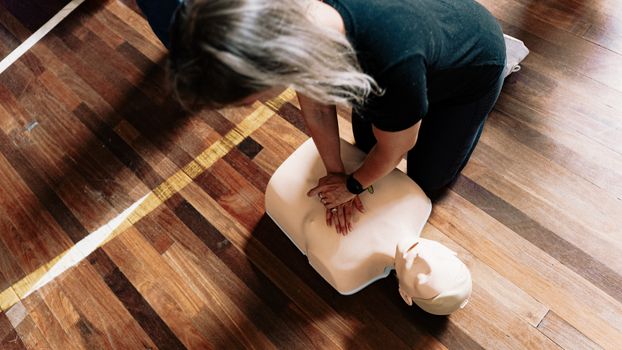
Steps to Become a First Responder in Ontario
Step 1: Choose Your Training Path
Start by deciding whether the First Responder course is the right stepping stone for your career. The 40‑hour Red Cross course is ideal for people who want a comprehensive, public‑facing certification. It is also a good starting point before moving on to EMR or paramedic studies. Providers like Fast Rescue and ProSafe Training offer the course in a compact format over four consecutive days.
Step 2: Check Eligibility and Register
You must be at least 18 years old to register at Fast Rescue, and likely at other providers as well. The Red Cross course has no prerequisites, so you can register directly. Be prepared to attend all 40 hours in person. Some providers may require proof of age.
Step 3: Complete the Course and Pass Evaluations
Attend every session. Participate in all scenarios and written components. The 75% passing grade on the written exam and the two practical scenarios are mandatory. Many providers offer practice sessions, but your success depends on full attendance and active participation.
Step 4: Receive Your Certification
After completing the course, you will receive a Canadian Red Cross First Responder certification valid for three years. Keep your certificate in a safe place. Some employers or volunteer organizations may ask for a copy as proof of training.
Step 5: Meet Employment Requirements
If you intend to work as a paid first responder in Ontario, you will need additional credentials. The Job Bank requirement is a college or hospital‑based paramedical program (one to three years) plus licensing. Many colleges offer paramedic programs that include EMR training. The Red Cross First Responder certification does not replace that college program, but it can strengthen your application and give you a head start.
For volunteer or community first responder roles, the Red Cross certification may be sufficient. Always verify with the specific organization you wish to join.
Other First Responder Courses Available in Ontario
In addition to the Canadian Red Cross course, two other programs are available in Ontario:
| Course | Provider | Duration | Notes |
|---|---|---|---|
| Medical First Responder | St. John Ambulance | Not specified (advanced course) | Designed for community responders who need more than Standard First Aid |
| Sport Physiotherapy Canada First Responder | Various (via Sport Physiotherapy Canada) | 2 to 3 days | Meets Canadian Red Cross Society and Sport Physiotherapy Canada requirements |
The St. John Ambulance Medical First Responder is an advanced course aimed at people who require training beyond Standard First Aid, such as event medical teams. The Sport Physiotherapy Canada First Responder is shorter (two to three days) and tailored for sport and physiotherapy settings. Neither of these alone meets the job requirements for a First Responder in Ontario as defined by the Job Bank, but they can be valuable for specific volunteer or workplace roles.
Cost Considerations and Provider Options
Pricing for the Canadian Red Cross First Responder course varies among authorized providers in Ontario. Fast Rescue in Toronto charges $575 plus tax. ProSafe Training charges $725 plus tax. Both are Red Cross authorized and deliver the same 40‑hour curriculum. When choosing a provider, consider location, schedule, and any additional fees for materials or parking.
Note that the Fast Rescue page includes a note about WSIB First Aid Program changes taking effect June 22, 2026. If you are taking the course for workplace compliance, check with your employer or provider about how these changes affect certification acceptance.
Frequently Asked Questions
Is the Red Cross First Responder course the same as a college paramedic program?
No. The Red Cross First Responder course is a 40‑hour certification that provides foundational skills. A college paramedic program is one to three years long and leads to licensing. The Red Cross certification is a supplement, not a substitute, for paramedic education.
Do I need any prior first aid training to take the First Responder course?
No. The Canadian Red Cross First Responder course has no prerequisites. Anyone who is at least 18 years old (at most providers) can enrol directly, regardless of previous first aid experience.
How long is the First Responder certification valid?
The certification is valid for three years. After that, you must take the course again or a recertification course if one is offered by an authorized provider.
Can I work as a first responder in Ontario with just the Red Cross certification?
In most paid employment settings, no. The Job Bank lists requirements of a college paramedical program and licensing. The Red Cross certification alone may be enough for volunteer programs, but you should confirm directly with the organization you want to join.
What is the difference between First Responder and Emergency Medical Responder (EMR)?
The First Responder course is a 40‑hour foundational program open to the public. The Emergency Medical Responder course is more advanced, aligned with the Paramedic Association of Canada, and is typically a prerequisite for paramedic programs. EMR is the standard for many professional first responder roles.
If your goal is a career in emergency services, plan to pursue EMR or a college paramedic program after earning your First Responder certification. Contact your local college or training provider to learn about specific program requirements and application deadlines. With the right combination of training and licensing, you can build a rewarding career helping others in Ontario.
