Why First Aid Skills Matter More Than Ever in 2026
Emergencies can happen at home, at work, or in public spaces, and having the confidence to act quickly can save a life. In 2026, the Canadian standard for first aid training has been updated under CSA Z1210:24, bringing new names and clearer levels to the courses that millions of Canadians rely on. Basic/Emergency First Aid is now called Basic First Aid (Level 1), and Intermediate/Standard First Aid is now Intermediate First Aid (Level 2). These changes make it easier to understand what each level covers, but the core goal remains the same: equip people with essential first aid skills to respond to common emergencies. Whether you are a parent, an employee, or simply someone who wants to be prepared, learning these skills is an investment in safety for yourself and those around you.
Core Skills You Should Master
First aid covers a wide range of situations, but certain skills are consistently cited as the most important. These include CPR, AED use, managing severe bleeding, responding to choking, and handling fractures. Each skill can be learned through a certified course and practiced until it becomes second nature.
CPR and AED Use
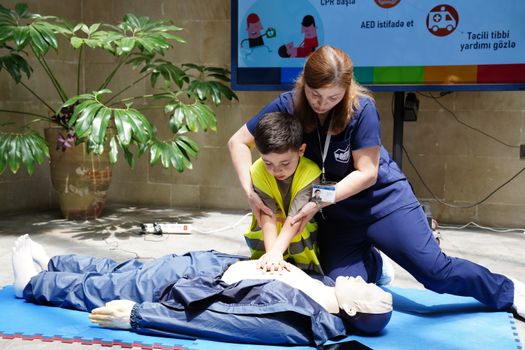
Cardiopulmonary resuscitation (CPR) keeps blood and oxygen flowing to vital organs when someone’s heart has stopped. In Basic First Aid (Level 1) courses, participants learn how to perform chest compressions and rescue breaths on adults, children, and infants. Equally important is the use of an automated external defibrillator (AED), a device that can analyse heart rhythms and deliver a shock if needed. Many public places in Ontario now have AEDs available, and knowing how to use one can double or triple a person’s chance of survival. The Canadian Red Cross Basic/Emergency First Aid and CPR course includes both CPR and AED training, giving you the hands-on practice required to act decisively.
Bleeding Control
Severe bleeding can lead to shock and death within minutes. The ability to apply direct pressure, use a tourniquet, and pack a wound properly is a skill every person should have. In 2026, bleeding control remains a central component of first aid training. Courses teach you how to recognise life-threatening haemorrhage and apply the correct techniques to stop blood loss until emergency services arrive. Whether the injury occurs in a workplace accident, a car crash, or a household mishap, quick and confident action can make the difference between life and death.
Choking Response (Heimlich Maneuver)
Choking is a common emergency, especially among young children and older adults. The Heimlich maneuver, also called abdominal thrusts, forces air from the lungs to dislodge an object blocking the airway. First aid courses teach the correct positioning and force to use for adults, children, and infants. In a Basic First Aid (Level 1) course, you will practise this skill along with back blows and chest thrusts. Knowing what to do when someone cannot breathe, cough, or speak can prevent a panic situation from becoming a tragedy.
Splinting and Fracture Management
Fractures and dislocations can occur in sports, falls, or any other accident. While a broken bone is rarely immediately life-threatening, improper handling can cause further injury. Learning how to immobilise a limb using a splint, bandages, or even available materials like a rolled magazine or a piece of wood is part of basic first aid training. The goal is to stabilise the injury, reduce pain, and prevent movement that could damage nerves or blood vessels. In Intermediate First Aid (Level 2) courses, participants often go deeper into fracture management, including making slings and using rigid supports.
How Canadian Certification Works in 2026
Under the 2026 CSA Z1210:24 update, the way first aid levels are named has changed to make them more intuitive. Basic First Aid (Level 1) is a one-day format covering CPR, AED use, choking, and severe bleeding. It is often recommended for workplaces with low-risk environments. Intermediate First Aid (Level 2) builds on these skills with additional content such as wound care, medical emergencies, and more advanced immobilisation. Many training providers, including those certified by the Canadian Red Cross, offer blended learning options that combine online theory with in-person practice. This format allows you to learn the essential knowledge at your own pace and then attend a hands-on session to demonstrate your skills. Upon successful completion, you receive a certification that is valid for a set period, typically three years.
Where to Get Certified in Ontario
For residents of Mississauga, Hamilton, and St. Catharines, Aspire First Aid Guide Training provides Canadian Red Cross certified courses that meet the new 2026 standards. They offer a wide range of programs, including Basic First Aid (Level 1), Intermediate First Aid (Level 2), CPR/AED certification, Basic Life Support for healthcare providers, and specialty courses like Marine First Aid and Mask Fit testing. Their flexible blended classes combine online learning with in-class practical sessions, making it easier to fit training into a busy schedule. Whether you need certification for workplace compliance or want to be better prepared at home, their instructors provide the knowledge, practice, and confidence needed to respond effectively in an emergency.
Frequently Asked Questions
What is the difference between Basic First Aid (Level 1) and Intermediate First Aid (Level 2) under the 2026 CSA Z1210:24 update?
Under the 2026 update, Basic First Aid (Level 1) covers CPR, AED use, choking, and severe bleeding in a one-day format. It is intended for low-risk environments. Intermediate First Aid (Level 2) builds on these skills with more advanced topics like wound care, medical emergencies, and fracture management. The new naming makes it simpler to choose the right level for your needs.
Do first aid certifications expire?
Yes, first aid certifications typically expire after a set period, often three years. To maintain your credential, you must complete a recertification course before the expiry date. The Canadian Red Cross offers First Aid Update Courses for those who need to renew. Check with your training provider for exact renewal timelines and options.
Can I take a blended first aid course?
Yes, many Canadian Red Cross certified training providers offer blended learning. This format allows you to complete the theoretical portion online at your own pace, then attend an in-person session to practise hands-on skills. Blended courses are popular because they offer flexibility while still meeting the practical requirements for certification. Providers like Aspire First Aid Guide Training offer this option in Ontario.
Equipping yourself with essential first aid skills in 2026 is about more than meeting workplace requirements. It is about having the ability to stay calm, make decisions, and provide care when every second counts. Whether you take a one-day Basic First Aid course or pursue the deeper knowledge of Intermediate First Aid, the skills you gain can help you protect your family, your colleagues, and your community. Contact a certified training provider today to find a course that fits your schedule and start learning the skills that truly matter.
