
Basic Life Support (BLS) certification is a key credential for healthcare providers, emergency responders, and many professionals in Canada. Keeping your certification current is not just a regulatory requirement in many workplaces; it ensures you are ready to deliver high-quality CPR, use an automated external defibrillator (AED), and manage choking emergencies. Renewal processes vary depending on the certifying organization and your province. This guide covers the most common Canadian issuers – Heart & Stroke and the Canadian Red Cross – and explains what you need to do to renew your BLS certification smoothly.
Understanding BLS Certification Validity Periods
One of the most important things to know is that BLS certification does not last the same amount of time with every organization. In Canada, the two main providers set a one-year validity period for their BLS certifications. However, for Canadian healthcare workers, Heart & Stroke and the Canadian Red Cross are the standard bodies. Below is a breakdown of the validity periods and notable exceptions.
Certifying Organization | Standard Validity Period | Notes |
|---|---|---|
1 year | Certificates issued before May 15, 2022 are valid for 2 years in Quebec. | |
1 year | Recertification is available only if your current certificate is not expired. |
If you hold a Heart & Stroke BLS provider certification issued in Quebec before May 15, 2022, you have a two-year validity window. All other Canadian Heart & Stroke and Red Cross certifications need annual renewal. Keeping track of your expiry date is critical because letting it lapse can mean taking a full initial course instead of a shorter renewal class.
Steps to Renew Your BLS Certification with Heart & Stroke
The Heart & Stroke BLS Renewal course is designed for providers who already hold a current Heart & Stroke BLS Provider certification. It is a fast-paced, classroom-only session that focuses on refreshing core skills and completing the required evaluations. Follow these steps if you are renewing through Heart & Stroke.
Check Your Current Certification Status
Before you register, verify that your certification is still valid. To take the Heart & Stroke BLS Renewal course, you need either a current Heart & Stroke BLS Provider certification or a BLS Renewal Prerequisite Challenge certificate. If your certification has expired, or if you hold a BLS credential from another organization (such as the Canadian Red Cross or AHA), you cannot simply take the renewal course. In that case, you must first complete the prerequisite challenge, which tests your skills and knowledge to confirm you are ready for the renewal course. Contact the Heart & Stroke training centre or your local provider for details on how to arrange a prerequisite challenge.
Enrol in the BLS Renewal Course
Once you confirm your eligibility, find a training centre that offers the Heart & Stroke BLS Renewal course. The course is entirely classroom-based; there is no online component. It lasts approximately 2 hours and 50 minutes. Because it is condensed, the pace is quick, so you are expected to already be comfortable with BLS algorithms, high-quality CPR techniques, and AED use. The course does not include the same amount of review as the initial provider course.
Complete Skills Practice and Testing
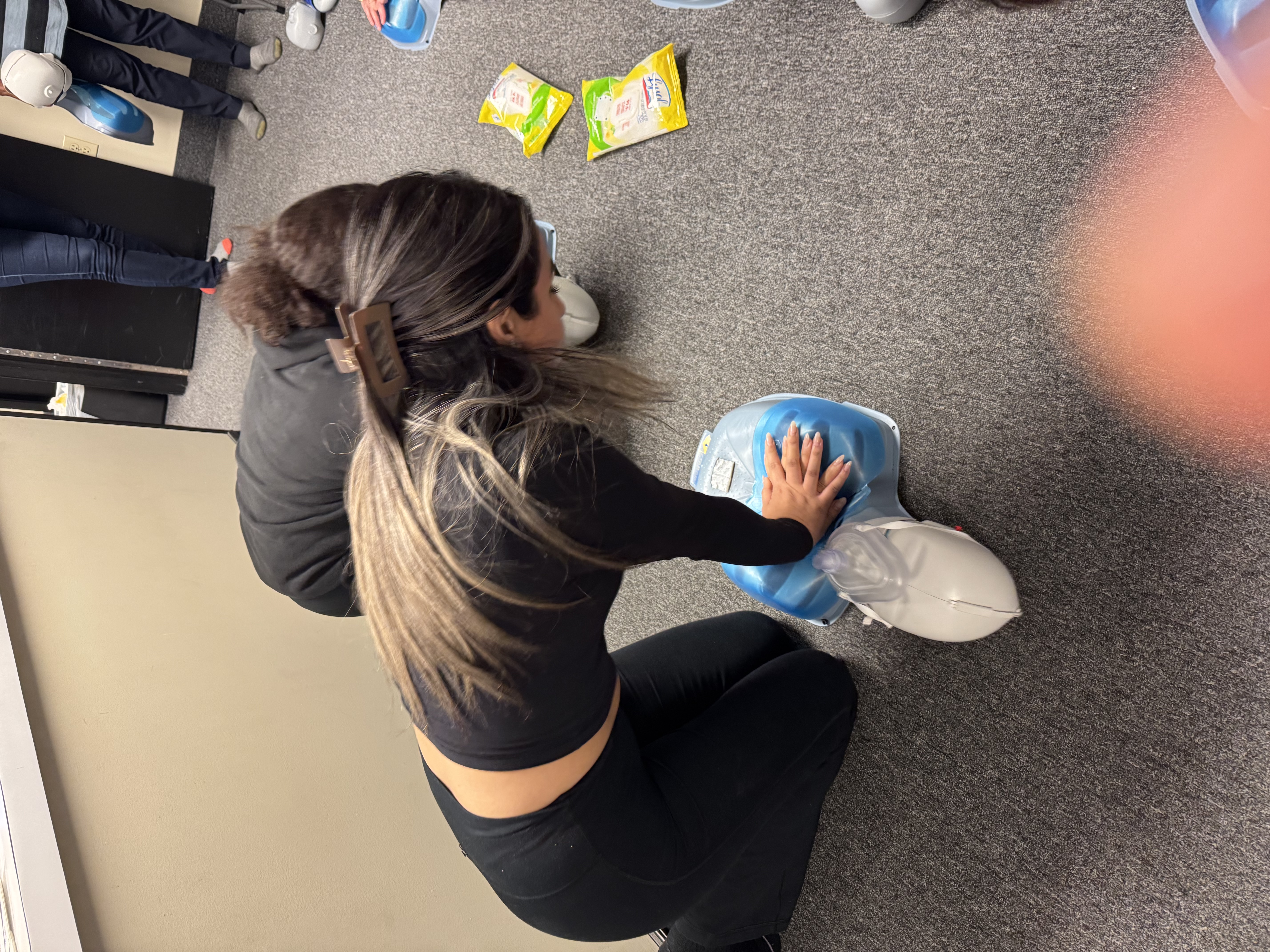
During the renewal session, you will participate in hands-on skills practice and then undergo a skills test. Your instructor will evaluate your ability to perform one-rescuer and two-rescuer CPR on adults, children, and infants, as well as ventilations with a bag-mask device and AED operation. You must demonstrate proficiency to receive your renewed certification. Upon successful completion, you will receive a new Heart & Stroke BLS Provider card valid for one year.
Renewing Your BLS Certification with the Canadian Red Cross
The Canadian Red Cross also offers BLS recertification for providers whose credentials are current. The process is similar in principle but has some differences in prerequisites and course availability.
Recertification Requirements
To recertify with the Canadian Red Cross, your existing BLS certification must still be valid. If it has expired, you are generally not eligible for a recertification course and will need to take the full BLS provider course again. This policy is consistent across Canada, though the exact format of the recertification course may vary by province or territory. Some provinces offer a condensed recertification course, while others may require a blended approach or a slightly different time commitment. Always check with your local Canadian Red Cross training partner to confirm what is offered in your area.
Course Format and Duration
When recertification is available, it is shorter than the initial provider course. The Canadian Red Cross states that some provinces or territories offer recertification using a condensed course format, but the precise duration is not standardized across the country. In Ontario, for example, training providers like Aspire First Aid Guide Training offer recertification options that meet Red Cross standards. Expect a focused session that covers essential skills updates and a final evaluation, similar to the Heart & Stroke renewal model.
What About Expired Certifications?
Letting your BLS certification expire can add extra steps to getting recertified. With Heart & Stroke, if your certification has lapsed, you cannot use the renewal course directly. Instead, you must complete a BLS Renewal Prerequisite Challenge to demonstrate your competence. After passing that challenge, you are then eligible to take the renewal course. If your certification has been expired for an extended period, or if you prefer a thorough review, you may choose to take the full BLS Provider course again. With the Canadian Red Cross, an expired certification generally means you must retake the entire BLS course from the beginning. No challenge option exists. To avoid this, mark your renewal date on your calendar and plan your training well before the expiry.
Choosing the Right BLS Renewal Course for Your Workplace
Your employer or regulatory body may require a specific certifying organization. In Canadian healthcare settings, Heart & Stroke and the Canadian Red Cross are both widely accepted. The American Heart Association BLS certification is not the standard for most Canadian workplaces, though some international organisations or employers may accept it. If you work in Ontario, for example, either Heart & Stroke or Red Cross certification will satisfy typical workplace compliance. When selecting a course, also consider the training provider’s location, schedule, and whether they offer blended learning (online theory with in-person skills testing) – though note that the Heart & Stroke BLS Renewal is entirely classroom based. For the most current information on course availability and pricing, contact a local training centre directly. Prices vary by provider and region, so confirm the cost when you register.
Frequently Asked Questions
How often do I need to renew my BLS certification?
In Canada, Heart & Stroke and Canadian Red Cross BLS certifications are valid for one year and require annual renewal. The American Heart Association (AHA) certification is valid for two years, but the AHA is not the standard body for most Canadian healthcare workers. Always check your employer’s requirements.
Can I renew an expired BLS certification?
With Heart & Stroke, you may take a BLS Renewal Prerequisite Challenge to regain eligibility for the renewal course. If your certification has expired, you cannot take the renewal course directly. With the Canadian Red Cross, recertification is only available while your certification is current. If it expires, you must take the full BLS provider course again.
Is the Heart & Stroke BLS Renewal course available online?
No. The Heart & Stroke BLS Renewal course is entirely classroom-based, with no online component. It is a fast-paced session lasting approximately 2 hours and 50 minutes that includes skills practice and a final evaluation. You must attend in person.
Do I need to take a full BLS course again if my certification lapses?
It depends on the certifying organization. With Heart & Stroke, you can attempt a prerequisite challenge instead of retaking the full course, as long as you are otherwise eligible. With the Canadian Red Cross, an expired certification typically means you must enrol in the complete BLS provider course. Contact your training provider to discuss your options.
Keeping your BLS certification current is a straightforward process when you know the rules of your certifying body and plan ahead. Whether you hold a Heart & Stroke or Canadian Red Cross credential, make sure you renew on time to avoid the extra steps required after expiry. For workers in Ontario, Aspire First Aid Guide Training offers BLS renewal courses that meet the standards of the Canadian Red Cross. Check their website or call their Mississauga, Hamilton, or St. Catharines locations for course dates and registration details.