BLS Certification for healthcare professional or student in Canada feeling lost in a sea of acronyms? Is it BLS or CPR you need? Which certification will your employer or school actually accept? The pressure to get the right credentials can be a significant source of stress, especially when clear, Canada-specific information is hard to find.
You’re not alone, and we’re here to help. This guide is your definitive resource for navigating the world of BLS Canada certification. We’ve designed it to eliminate the guesswork and provide you with a clear, straightforward path to obtaining the credentials you need for your career. Think of this as your roadmap to becoming a certified and confident first responder in a professional setting.
By the end of this article, you will understand exactly what Basic Life Support entails, how to identify nationally recognized training providers, and what to expect from the certification and renewal process. Let’s equip you with the knowledge and confidence to take the next step in your professional journey.
What is Basic Life Support (BLS) in Canada? (And What It’s Not)
When searching for bls canada, it’s crucial to distinguish between two very different services. This guide focuses on Basic Life Support (BLS), the professional standard of CPR certification for healthcare providers. This is entirely separate from BLS International, a company that processes visa applications. If you are a current or aspiring healthcare professional, you are in the right place.
Basic Life Support is the gold standard for resuscitation in a clinical setting, whether in-hospital or in a pre-hospital environment. Fundamentally, What is Basic Life Support (BLS)? It is an advanced level of training that moves beyond basic CPR to emphasize high-performance teamwork, rapid assessment, and the use of specialized equipment to significantly improve patient outcomes during cardiac arrest.
To visualize the fundamentals of CPR, a core component of BLS, watch this overview from St. John Ambulance Canada:
BLS vs. Standard CPR/First Aid: Key Differences
While a Standard First Aid with CPR/AED Level C course is excellent for lay rescuers and workplace requirements, BLS is specifically designed for Healthcare Providers (HCPs). The primary distinction is the focus on team-based resuscitation. BLS trains professionals to work together seamlessly, minimizing interruptions in compressions and maximizing efficiency. It also introduces advanced equipment not covered in standard courses, most notably the bag-valve mask (BVM) for assisted ventilation.
Who is BLS Certification For?
BLS certification is a mandatory professional requirement for a wide range of individuals who provide patient care. It is also a prerequisite for admission into most healthcare education programs across Canada. Key professions include:
- Nurses (RNs, RPNs, LPNs) and nursing students
- Paramedics and Emergency Medical Responders (EMRs)
- Physicians, residents, and medical students
- Dental Hygienists and Dentists
- Firefighters and professional first responders
- Respiratory Therapists and Physiotherapists
Core Skills Covered in a BLS Course
A comprehensive BLS course in Canada provides the essential skills to respond to a cardiovascular emergency. The curriculum is built around evidence-based guidelines and focuses on practical, hands-on training. Core competencies include:
- Deep understanding and application of the Chain of Survival.
- High-performance single and multi-rescuer CPR for adults, children, and infants.
- Rapid and effective use of an Automated External Defibrillator (AED).
- Advanced airway management, including choking response and use of a bag-valve mask (BVM).
Choosing a BLS Provider in Canada: Red Cross vs. Heart & Stroke
When pursuing a BLS Canada certification, you will encounter two primary national training bodies: the Canadian Red Cross and the Heart & Stroke Foundation of Canada. Both organizations are highly reputable, and their certifications are widely accepted by employers, regulatory bodies, and academic institutions nationwide. While the core skills are standardized, their teaching methodologies can differ slightly.
Ultimately, the choice often comes down to personal preference or a specific institutional requirement. Before enrolling, it is always best practice to confirm with your employer, college, or university if they have a preferred provider. In most cases, however, certifications from either body are considered interchangeable.
The ILCOR Guidelines: A Global Standard
Both the Canadian Red Cross and the Heart & Stroke Foundation build their programs on a solid scientific foundation established by the International Liaison Committee on Resuscitation (ILCOR). ILCOR is a global consortium of resuscitation organizations that collaboratively reviews scientific data and publishes a consensus on emergency cardiovascular care. This consensus is adapted for a Canadian context, forming the basis of the latest CPR and first aid guidelines that all recognized providers must follow. This ensures your training is based on the most current, evidence-based practices in the world.
Canadian Red Cross BLS Program
The Canadian Red Cross BLS program is known for its learner-centric approach, emphasizing practical, hands-on skills development through realistic scenarios. This methodology is designed to build not just competence, but also the confidence to act effectively in a real-world emergency. Key features include:
- Focus on Practical Application: Training prioritizes dynamic, interactive learning over passive lectures.
- National Recognition: Certifications are recognized across Canada and are WSIB-approved in relevant provinces.
- Training Partner Network: Courses are delivered by authorized Training Partners, such as Aspire First Aid, ensuring consistent quality and instruction.
Heart & Stroke Foundation BLS Program
The Heart & Stroke Foundation has long been a standard for life support training, particularly within Canadian hospitals and clinical healthcare settings. The organization places a strong emphasis on research and the rapid integration of the latest scientific evidence into its programs. It is also nationally recognized and strictly adheres to ILCOR guidelines. You may still encounter the older term BCLS (Basic Cardiac Life Support) in some workplaces, which historically referred to the Heart & Stroke program, but BLS is the current, harmonized term.
The BLS Certification Process: A Step-by-Step Guide
Navigating the path to Basic Life Support certification is a structured and manageable process designed to build both competence and confidence. From selecting the right program to maintaining your credentials, this guide outlines each essential step for healthcare professionals and aspiring first responders.
Step 1: Find a Course and Register
Your journey begins with selecting the course that matches your experience level and learning preference. You must first determine if you need a full course or are eligible for a renewal.
- Full Provider Course: Required for first-time participants or individuals whose previous certification has expired.
- Renewal Course: A shorter, faster-paced option for those who hold a current, unexpired BLS certificate.
Next, choose your preferred training format. While traditional in-class options are available, many professionals opt for Blended Learning, which combines online theory with a focused, in-person skills session. This modern approach offers the flexibility to learn at your own pace while ensuring you master the critical hands-on techniques. When you are ready to enroll, you can find a BLS course in Mississauga or Hamilton.
Step 2: What to Expect on Training Day
BLS training is hands-on and highly interactive. The curriculum is built around realistic, scenario-based practice where you will master high-quality CPR for adults, children, and infants, proper AED usage, and techniques for relieving choking. A significant emphasis is placed on teamwork and effective communication during a resuscitation event, as these are critical components of successful outcomes. Your proficiency will be assessed through a written exam and a practical skills evaluation. Instructors are there to provide guidance and ensure you feel prepared and confident in your abilities.
Step 3: Certification and Renewal
Upon successful completion, you will be issued a Heart & Stroke Foundation BLS Provider certificate. The standard for BLS Canada is that this certification is valid for one year. This annual requirement is critical because life-saving skills are perishable and require regular practice to maintain proficiency. Furthermore, resuscitation science evolves, and annual renewal ensures you are up-to-date with the latest guidelines.
The renewal course is a condensed session designed to refresh your knowledge and polish your practical skills. It is crucial to schedule and complete your renewal before your certificate expires to avoid having to retake the full provider course.
Inside the BLS Curriculum: Mastering High-Performance Rescue
A professional Basic Life Support (BLS) course moves beyond simple mechanics to instill the principles of high-performance rescue. These evidence-based techniques are designed to maximize a patient’s chance of survival during cardiac arrest. Mastering this curriculum means understanding not just what to do, but why each action is critical for a positive outcome. This is the standard of care expected from healthcare professionals across the country.
High-Performance CPR Mechanics
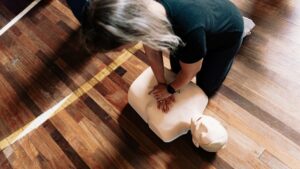
The foundation of effective resuscitation is uninterrupted, high-quality CPR. You will master the precise delivery of compressions at a rate of 100-120 per minute to an appropriate depth. A critical focus is placed on allowing for full chest recoil after each compression, which is essential for allowing the heart to refill with blood. The curriculum emphasizes minimizing pauses in compressions to less than 10 seconds and executing seamless, rapid switches between rescuers every two minutes to prevent fatigue and maintain optimal performance.
Advanced Airway and Rescue Breathing
Effective oxygenation is a vital component of resuscitation. BLS training provides extensive hands-on practice with airway adjuncts, including the correct use of a pocket mask and a bag-valve mask (BVM) for one and two-person rescues. You will learn to deliver the proper ventilation rates for adults, children, and infants, and how to coordinate breaths with compressions. While insertion is an advanced skill, the curriculum provides an awareness of advanced airways to ensure you can effectively support a team when one is placed.
Special Considerations in Resuscitation
Modern emergencies require a versatile and adaptive skill set. A key part of any current bls canada program is preparing providers for complex scenarios through specialized training. This includes:
- Team Dynamics: Learning the principles of closed-loop communication and defined roles (e.g., compressor, airway manager) to create a highly efficient and coordinated resuscitation team.
- Opioid-Associated Emergencies: Recognizing the unique signs of an opioid-driven respiratory or cardiac arrest and understanding the role of naloxone administration alongside high-quality BLS.
- Airway Obstruction: Mastering the correct techniques for relieving choking in conscious and unconscious adults, children, and infants.
- Unique Patient Situations: Adapting BLS protocols for scenarios such as maternal cardiac arrest, where specific interventions like left uterine displacement are critical.
Your Path to Lifesaving Competence Starts Now
You now have a clear roadmap for obtaining your Basic Life Support certification. We’ve explored what BLS entails, how to select a credible provider like the Red Cross, and what to expect from the high-performance rescue curriculum. Earning your bls canada certification is a definitive step toward gaining the competence and confidence to act effectively during a cardiac emergency, making you an invaluable asset in any professional or community setting.
Don’t wait for an emergency to wish you had the skills. Take the initiative today. As an Official Canadian Red Cross Training Partner, we are committed to delivering excellence. Our courses provide WSIB-Approved Certification and are led by expert instructors with real-world experience, ensuring you receive the highest standard of training available.
Are you ready to be prepared? Register for Your WSIB-Approved BLS Course Today and master the skills that save lives. Your training is the critical link in the chain of survival.
Frequently Asked Questions About BLS in Canada
How long is a BLS certificate valid for in Canada?
In Canada, a Basic Life Support (BLS) certificate issued by a major provider like the Heart & Stroke Foundation is valid for one year. While some training agencies may offer different timelines, the vast majority of Canadian healthcare employers, academic institutions, and regulatory bodies mandate annual recertification. This policy ensures that a professional’s life-saving skills remain sharp and are aligned with the most current International Liaison Committee on Resuscitation (ILCOR) guidelines, which are updated regularly.
Is Canadian Red Cross BLS accepted by hospitals and universities?
Yes, the Canadian Red Cross BLS certification is widely recognized and accepted by most hospitals, universities, and healthcare facilities across the country. Both the Canadian Red Cross and the Heart & Stroke Foundation are leading providers whose programs are based on the same international scientific standards. However, it is always a prudent and professional step to confirm the specific certification requirements directly with your employer or academic institution before enrolling in a course, as some may have a preferred provider.
What is the difference between BLS and ACLS (Advanced Cardiovascular Life Support)?
Basic Life Support (BLS) is the foundation of emergency care, focusing on high-quality CPR, AED use, and relieving airway obstructions for all age groups. It is a prerequisite for more advanced courses. In contrast, Advanced Cardiovascular Life Support (ACLS) is a higher-level certification for healthcare professionals involved in managing complex cardiopulmonary emergencies. ACLS builds upon BLS skills and includes advanced interventions like pharmacology, ECG rhythm interpretation, and advanced airway management techniques.
Can I get my BLS certification entirely online in Canada?
No, a credible BLS Canada certification cannot be obtained entirely online. Reputable providers require a mandatory in-person, hands-on skills assessment to ensure competency in chest compressions, ventilations, and AED use. While “blended learning” options exist-where you complete theory online-you must still attend a classroom session with a certified instructor to practice and be evaluated on these critical skills. Certificates issued from 100% online courses are not accepted by Canadian healthcare or academic institutions.
How much does a BLS course typically cost?
The cost of a BLS course in Canada typically ranges from C$70 to C$120. Prices can vary based on several factors, including the training provider, your geographical location, and whether you are taking a full certification course or a shorter recertification class. Some providers may bundle the required student manual into the course fee, while others sell it separately. It is important to confirm the total cost and what it includes before you register for a program.
I have a CPR-C certificate. Do I still need BLS for my nursing program?
Yes, you will require BLS certification for a nursing program. While CPR-C is an excellent qualification for the general public, BLS is the required standard for healthcare professionals. BLS training is more comprehensive, covering two-rescuer scenarios, team dynamics, the use of a Bag-Valve-Mask (BVM), and a more rigorous, technical approach to resuscitation. Canadian nursing programs and their clinical placement sites uniformly mandate BLS as the minimum level of CPR competency for all students.
Is there a grace period for renewing an expired BLS certificate?
Generally, there is no official grace period for an expired BLS certificate in Canada. Once your certification expires, you are no longer considered certified, which can impact your employment or academic standing. Furthermore, to be eligible for a shorter and less expensive recertification course, providers like the Heart & Stroke Foundation require you to hold a valid, unexpired certificate. If your credential has lapsed, you will almost certainly need to register for the full provider course again.